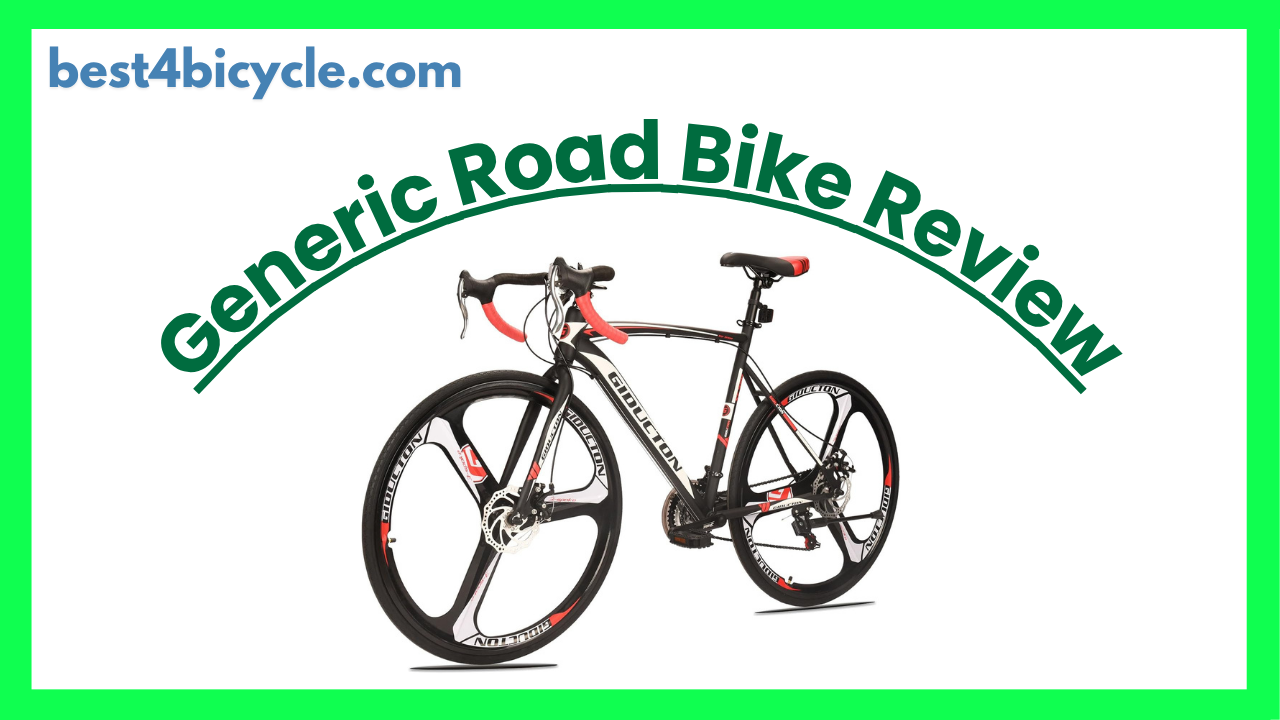
When someone asks about a Generic Road Bike, they’re typically referring to an entry-level, unbranded or store-brand model—often imported from low-cost manufacturers—with basic specs on a 700C frame that can arrive under various names.
🚲 What Is a “Generic Road Bike”?
- Usually unbranded or re‑branded frames made via shared molds in Asia (e.g., Taiwan, China)
- These bikes may be sold under vague names like “Generic 21-Speed Road Bike” or “Eurobike 700C” on Amazon, Walmart, etc.
🧰 Typical Specs
Most generic models share a familiar spec sheet:
- Frame: Carbon steel or aluminum alloy (often low-end). Some carbon-fiber models use shared molds with minimal quality control.
- Wheel size: Standard 700C wheels, typically paired with 25–35 mm tires.
- Gearing: Frequently 16–21 speeds using generic or Shimano‑style components.
- Brakes: A mix of rim caliper brakes or mechanical disc brakes depending on the model.
✅ Potential Benefits
- Very low price—often under $300 USD, especially when on sale or on large online platforms.
- Feature‑rich spec on paper: Multiple gears, disc brakes, alloy construction, 700C wheels—seem like real value.
- Ready to ride: Ships mostly assembled, often with pedals and tools, making it easy to set up.
⚠️ Riskiest Aspects
- Inconsistent quality control: Many users report missing parts, bent frames or wheels, poor tolerances, and unreliable packaging.
- Low-tier components: Brakes, groupsets, hubs, and saddles are often cheap and prone to early wear. Upgrade needs are common.
- Limited support or warranty: Often lacking after-sale support, documentation, or serviceability, especially for obscure brands.
🧠 What Riders Say (Community Wisdom)
From Reddit and cycling forums:
“You do not save money with a cheap bike… you will spend more in the long run.”
“Many ‘generic’ bike frames are open‑mold copies with no brand warranty.”
📊 Quick Comparison Table
| Feature | Generic Road Bike (Unbranded) |
|---|---|
| Frame material | Steel or basic alloy (sometimes low-end carbon) |
| Gearing | 16–21 speeds (non-premium drivetrains) |
| Brakes | Rim‑brake or mechanical disc |
| Weight | 11–14 kg (steel is typically heavy) |
| QC & support | Inconsistent QC, limited after-sales support |
| Price range | Typically under $300 USD |
| Ideal for | Hobbyist, light casual riding, local errands |
| Not suited for | Serious performance riding, rough terrain, long-distance touring |
🛠 Recommendations & Tips
- Review photos and specs carefully—watch for contradictions (e.g., frame material disclaimers).
- Expect to do a tune-up or upgrade, especially for saddle, brakes, or shifting.
- Consider replacing parts early—like brake pads, headset bearings, cables, or even components.
- Weigh total cost—if you replace/upgrades many parts, a used or low-tier brand bike might offer better value.
- Confirm fit and size before purchase—many generic listings use rough ranges without detailed geometry.
✅ Verdict: Is a Generic Road Bike Worth It?
If you’re a budget-conscious rider wanting a basic setup for short rides or commuting, a generic bike can work—but be prepared for quality trade-offs and maintenance. However, many riders, mechanics, and forum users suggest that investing a bit more in a used or entry-model bike from a known brand (like Decathlon’s Triban line, Schwinn, Raleigh, etc.) yields better fit, durable parts, and easier upgrades in the long run.